
When the temperature drops and the wind picks up across the plains, the reliability of your vehicle becomes a matter of safety. Preparing a 2026 Volkswagen for these conditions requires more than a standard oil change; it involves a systematic check of every component that could be compromised by subzero temperatures. Our team focuses on winterizing the cooling system first, ensuring your coolant mixture is rated for at least -35°F. This prevents the fluid from freezing and causing catastrophic damage to the engine block or radiator during a deep freeze.
Visibility is another critical factor when navigating the blowing snow common near the North Platte River. We recommend that drivers replace their windshield wiper blades with heavy-duty winter versions that resist ice buildup. Filling the reservoir with a winter-grade washer fluid is equally important, as standard summer mixtures can freeze in the lines, leaving you without a way to clear road salt and slush from the glass. If you find yourself needing a quick inspection before the first storm hits, you can reach our service department at (307) 462-5509 to confirm your vehicle’s readiness.
For those who are new to the area or simply want to ensure their vehicle is handled by factory-trained technicians, visiting our Casper service center is the most direct way to secure a comprehensive winterization package. Beyond fluids and blades, we inspect the undercarriage and exterior seals. Cold weather causes rubber door seals to become brittle, and applying a specialized silicone lubricant can prevent them from freezing shut—a common frustration for commuters during Wyoming winters.
Table of Contents
- Selecting and Servicing Winter Tires for Wyoming Snow and Ice
- Maintaining Battery Health and Electrical Systems in Extreme Cold
- Servicing the 4MOTION All-Wheel Drive System for Maximum Winter Traction
- Your Recommended Winter Maintenance Checklist and Service Schedule
- Crucial Questions to Ask Your Service Advisor Before Winter Hits
- Quick Answers Regarding Winter Vehicle Care
- Secure Your Winter Service Appointment Today
Selecting and Servicing Winter Tires for Wyoming Snow and Ice
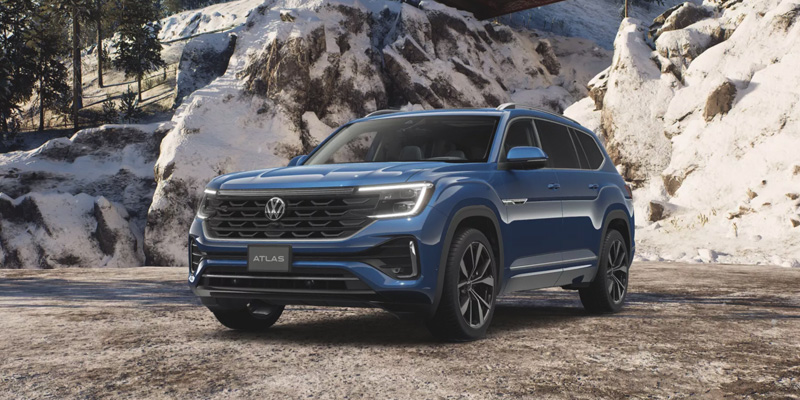
The transition from all-season tires to dedicated winter rubber is the single most effective way to improve the braking and handling of a 2026 Volkswagen Tiguan or Atlas. While all-season tires are designed for a broad temperature range, their rubber compounds often harden when the thermometer dips below 45°F, significantly reducing grip. Dedicated winter tires, marked with the three-peak mountain snowflake symbol, utilize a specialized tread compound that remains flexible in extreme cold, allowing the sipes to bite into packed snow and ice.
Maintaining these tires is a continuous process throughout the season. Because tire pressure drops about 1 psi for every 10°F decrease in ambient temperature, our technicians emphasize frequent pressure checks to prevent uneven wear and maintain the integrity of the sidewall. For local owners, we often suggest downsizing to a smaller wheel diameter for winter sets, such as using 18-inch wheels on an Atlas that normally runs 20-inch rims. This allows for a taller tire sidewall, which provides better impact absorption against hidden potholes and creates a narrower contact patch that can more effectively cut through deep snow.
If your current set is showing signs of tread wear or if you are ready to invest in a dedicated winter setup, you can order parts through our dedicated department to ensure you get the exact OEM-approved size and load rating for your specific model. Proper fitment is essential for the vehicle’s electronic stability systems to function correctly. Once your tires arrive, the most efficient way to ensure they are mounted and balanced to factory specifications is to schedule service with our certified team, who can also perform a professional alignment to protect your investment.
Maintaining Battery Health and Electrical Systems in Extreme Cold
Subzero temperatures are notoriously difficult on lead-acid batteries because the chemical reactions required to generate electricity slow down significantly in the cold. At the same time, the engine requires more power to turn over because the motor oil has thickened. A battery that performs adequately in the summer may lack the cold cranking amps necessary to start a 2.0L I4 engine when it has been sitting overnight in a Casper driveway. Our team uses specialized diagnostic tools to test the battery’s state of health and its ability to hold a charge under load, rather than just checking the voltage.
Electrical loads also increase during the winter months as drivers rely heavily on heated front seats, defrosters, and powerful LED lighting systems. On 2026 models like the Volkswagen Taos, these systems put a consistent draw on the alternator and battery. We recommend cleaning the battery terminals to remove any corrosion, which can increase resistance and prevent the battery from receiving a full charge from the alternator. If your battery is more than three years old, a proactive replacement is often the best insurance against a “no-start” situation during a blizzard.
For owners who may be facing unexpected repair needs, we offer options for parts financing to help manage the cost of essential electrical components or battery replacements. Beyond the battery, we also inspect the starter and alternator to ensure the entire charging loop is functioning at peak efficiency. Ensuring these systems are robust is particularly important for those who frequent the rural roads around Glenrock, where a breakdown can mean a long wait for assistance in harsh conditions.
Servicing the 4MOTION All-Wheel Drive System for Maximum Winter Traction
The 4MOTION all-wheel drive system found in the 2026 Volkswagen Atlas and Tiguan is a sophisticated drivetrain that requires specific maintenance to remain effective. Unlike traditional 4WD systems, 4MOTION is proactive, using a multi-plate clutch to redistribute torque to the wheels with the best traction before slip even occurs. To keep this system responsive, the fluid in the coupling must be clean and at the correct level. Over time, this fluid can break down or become contaminated, which may lead to delayed engagement or increased wear on internal components.
During a winter service visit, our technicians inspect the AWD system for any signs of leaks at the seals and check the software for any necessary updates. Modern Volkswagen SUVs utilize selectable drive modes, including a dedicated Snow Mode, which recalibrates the throttle response and traction control settings. We ensure that the sensors responsible for monitoring wheel speed and steering angle are clear of debris and functioning correctly, as these inputs are vital for the system to make split-second adjustments on icy Evansville streets.
Properly maintaining the 4MOTION system ensures that your vehicle can take full advantage of its mechanical capabilities. When paired with high-quality winter tires, this system provides the stability needed to navigate the rolling hills and semi-arid plains of central Wyoming. We also check the CV boots and axles during this process, as road salt and ice can cause rubber components to tear, leading to grease loss and eventual joint failure. Keeping these mechanical links protected is the key to long-term drivetrain reliability.
Your Recommended Winter Maintenance Checklist and Service Schedule
Adhering to a strict maintenance schedule is the best way to prevent mechanical failures during the most demanding months of the year. For 2026 Volkswagen models, we recommend a comprehensive multi-point inspection every 10,000 miles, but a seasonal check-up is advisable regardless of mileage when the seasons shift. This checklist should include a verification of the brake system, as the anti-lock braking (ABS) and Electronic Stability Control (ESC) systems are your primary defenses when the roads become slick. We check pad thickness and rotor condition, ensuring there is no unevenness that could cause pulling during an emergency stop.
A typical winter service visit at our facility includes:
- Battery Load Test: Verifying the battery can handle the increased cold-start demand.
- Coolant Strength Verification: Ensuring the antifreeze-to-water ratio is correct.
- Brake Inspection: Checking lines, pads, and fluid moisture content.
- HVAC System Check: Confirming the heater and defroster are delivering maximum output.
- Fluid Top-Off: Including specialized winter-grade windshield washer fluid.
We understand that comprehensive seasonal maintenance can sometimes be a significant undertaking. To assist our customers in keeping their vehicles in top condition without delay, we provide access to service financing options. This allows you to address critical repairs or preventative maintenance immediately, ensuring your vehicle is safe for family travel throughout the North Platte River Valley. Following these steps helps maintain your New Vehicle Limited Warranty and ensures the longevity of your Volkswagen through many Wyoming winters.
Crucial Questions to Ask Your Service Advisor Before Winter Hits
When you bring your vehicle in for seasonal preparation, the conversation you have with your service advisor can help tailor the maintenance to your specific driving habits. I often hear owners ask whether they should stick to the standard oil viscosity or switch to a thinner synthetic for the winter. For most 2026 models, the factory-recommended synthetic oil is already optimized for a wide temperature range, but confirming this for your specific engine ensures the best protection during cold starts. You should also ask for a printed report of your battery’s “Cold Cranking Amps” (CCA) to see exactly how much reserve power remains.
Another important point of discussion is the condition of your vehicle’s safety technology. Ask your advisor if the cameras and sensors for the Adaptive Cruise Control and Lane Keeping System have been calibrated recently. These systems can be affected by the heavy road grime and salt used on Wyoming highways. If you are planning a trip to the mountain for skiing or hiking, ask about the best practices for using your Roof Rack in high winds and how to keep the mounting points free of ice.
Our team is here to provide clear, jargon-free answers to all your maintenance concerns. You can find our service center location easily for a face-to-face consultation, or simply give us a quick call to discuss your winterization needs. We prioritize transparency in our service recommendations, focusing on the repairs and maintenance that directly impact your safety and vehicle reliability during our toughest blizzards. Now you know more about preparing your Volkswagen for Casper’s subzero blizzards, you can schedule an appointment and we’ll take care of it for you.
Quick Answers Regarding Winter Vehicle Care
Q: How often should I check my tire pressure during a Casper winter?
A: You should check your tire pressure at least once every two weeks or whenever there is a significant drop in temperature. Because air contracts in the cold, your tires can lose several pounds of pressure overnight, which affects traction and fuel economy. Keeping them at the manufacturer-recommended PSI found on your door jamb is essential for safe winter driving.
Q: Does my Volkswagen need a special type of engine oil for subzero temperatures?
A: Most 2026 Volkswagen models use high-quality synthetic oil that is designed to flow effectively in both extreme heat and extreme cold. However, it is vital to use the specific oil grade listed in your owner’s manual to ensure the oil reaches critical engine components quickly during a cold start. Our service team always uses OEM-approved synthetic oils to maintain your engine’s performance and warranty.
Q: Should I use Volkswagen Roadside Assistance if I have a flat tire in a blizzard?
A: Yes, Volkswagen Roadside Assistance: 1-800-411-6688 is the best resource for emergency support. Their technicians have brand-specific expertise and can ensure your vehicle is transported to an authorized service center if a repair is needed. This service is included with your New Vehicle Limited Warranty, providing peace of mind when traveling through remote areas.
Q: Can I use all-season tires if my Volkswagen has 4MOTION all-wheel drive?
A: While 4MOTION helps you accelerate and maintain grip, it does not help you stop or turn on ice any better than a front-wheel-drive vehicle. All-season tires lose their effectiveness in extreme cold. For the best safety and control in Wyoming, we highly recommend pairing your all-wheel-drive system with a set of dedicated winter tires.
Q: How do I prevent my windshield wipers from freezing to the glass?
A: You can lift your wiper arms into the “service position” when parking overnight to keep them off the glass. Additionally, ensuring your windshield is treated with a de-icer fluid and using winter-specific blades with a protective rubber boot will prevent ice from clogging the wiper’s frame. Never use hot water to de-ice a windshield, as the thermal shock can crack the glass.
Secure Your Winter Service Appointment Today
Ensuring your vehicle is ready for the challenges of a Wyoming winter is a responsibility we take seriously. From testing your battery’s cold-weather capacity to installing the best winter tires for your specific model, our team provides the expert care your Volkswagen requires. We focus on using Genuine Volkswagen Parts and factory-approved fluids to maintain the integrity of your vehicle’s safety systems and mechanical components.
By addressing these maintenance needs now, you can drive with confidence knowing your Tiguan, Atlas, or Taos is prepared for subzero temperatures and heavy snow. We invite you to contact us to discuss your seasonal maintenance plan and ensure your vehicle remains a reliable partner for all your winter adventures. To get started, you can schedule your service appointment online and choose a time that fits your family’s busy schedule. Our team is ready to help you navigate the season safely.
Connect with us


